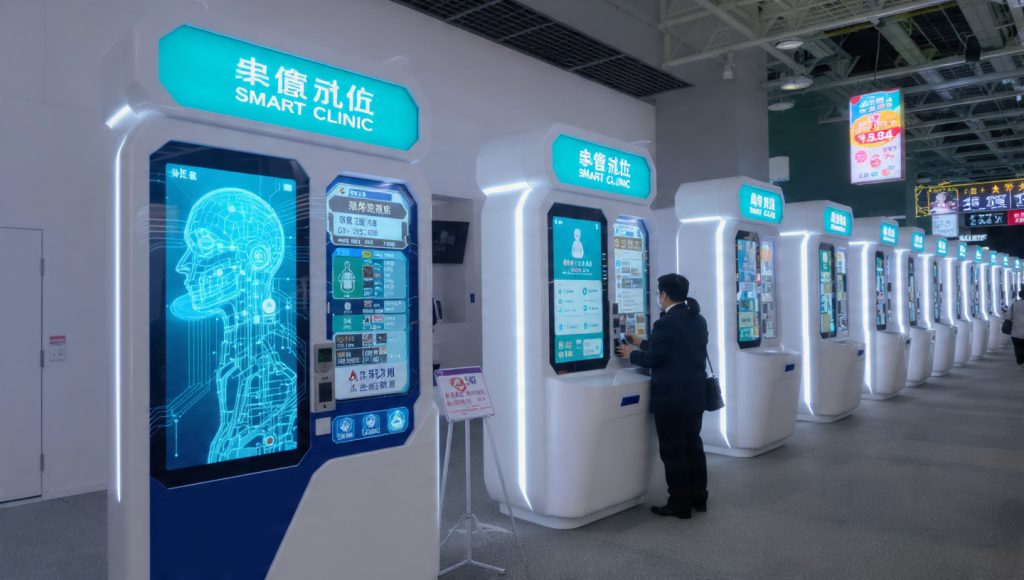

The Future of Patient Care: China Lunch Kiosks for Medical Facilities with AI Integration
The healthcare industry is undergoing a rapid transformation, driven by technological advancements and a growing demand for efficiency and improved patient experiences. One emerging solution gaining significant traction is the integration of smart lunch kiosks within medical facilities, particularly those originating from China. These kiosks aren’t just about providing convenient meals; they’re incorporating Artificial Intelligence (AI) to optimize operations, enhance patient satisfaction, and even contribute to data-driven insights. This blog post will delve into the rise of China lunch kiosks for medical settings, exploring their features, benefits, and the role of AI in shaping their future.
The Rise of China’s Lunch Kiosk Industry
China has become a global leader in the production and deployment of automated food service systems, including lunch kiosks. Several key factors have contributed to this dominance:
- Cost-Effectiveness: Chinese manufacturers offer significantly lower prices compared to Western counterparts, making automation accessible to a wider range of medical facilities.
- Technological Innovation: Chinese companies are at the forefront of developing advanced touchscreen interfaces, payment systems, and connectivity technologies.
- Government Support: The Chinese government has actively promoted automation and intelligent manufacturing, providing incentives and research funding.
- Scalability: Many Chinese companies specialize in mass production, allowing for rapid deployment of kiosks across multiple locations.
Initially, these kiosks were primarily used in hospitals and clinics, but their application is now expanding to include urgent care centers, rehabilitation centers, and even pharmaceutical pharmacies. The demand is fueled by the need to address staffing shortages in the food service sector and to streamline the patient dining experience.
Key Features of China Lunch Kiosks for Medical Settings
Modern China lunch kiosks designed for medical facilities go far beyond a simple vending machine. They incorporate a range of features to cater to the specific needs of patients and healthcare providers:
- Touchscreen Ordering System: Intuitive touchscreen interfaces allow patients to browse menus, customize their meals, and place orders with ease.
- Nutritional Information Display: Kiosks provide detailed nutritional information for each menu item, catering to patients with dietary restrictions or health conditions.
- Pre-Paid Card Integration: Seamless integration with pre-paid card systems simplifies the payment process, reducing administrative burden.
- Inventory Management System: Real-time inventory tracking ensures that popular items are always in stock and minimizes waste.
- Remote Monitoring & Control: Healthcare providers can remotely monitor kiosk operations, manage inventory, and update menus.
- Temperature Controlled Storage: Maintain food safety with refrigerated storage compartments for perishable items.
- Voice Ordering (Emerging): Newer models are incorporating voice control for hands-free operation, particularly beneficial for patients with mobility issues.
The Role of Artificial Intelligence (AI) in Smart Medical Lunch Kiosks
The most significant advancement is the integration of AI, transforming these kiosks from simple ordering systems to intelligent patient support tools. Here’s how AI is being utilized:
- Personalized Recommendations: AI algorithms analyze patient data (e.g., age, gender, medical history – with appropriate privacy safeguards and consent) to suggest meals that align with their dietary needs and preferences.
- Dynamic Menu Adjustment: Based on real-time demand, inventory levels, and patient feedback, the AI can dynamically adjust the menu, optimizing offerings and minimizing waste.
- Order Prioritization: AI can prioritize orders based on patient urgency, ensuring that those requiring immediate meals are served promptly.
- Automated Reporting & Analytics: AI generates detailed reports on sales trends, popular menu items, and customer behavior, providing valuable insights for optimizing operations.
- Chatbot Integration (Remote Support): Kiosks equipped with chatbots can provide remote support to patients, answering questions about menu items, dietary restrictions, and allergen information.
- Facial Recognition (Future Implementation – with Strict Privacy Policies): In the future, AI-powered facial recognition could be used to identify returning patients and automatically pre-populate their order preferences (again, strictly adhering to privacy regulations).
The use of AI ensures that the kiosks are not just functional but also proactive in creating a more personalized and efficient patient experience.
Benefits for Medical Facilities
Integrating China lunch kiosks with AI offers numerous benefits to medical facilities:
- Reduced Operational Costs: Automation reduces the need for staff, lowering labor costs.
- Improved Patient Satisfaction: Convenient access to meals, personalized recommendations, and efficient service contribute to a positive patient experience.
- Enhanced Staff Productivity: Staff can focus on more critical tasks, rather than managing food service operations.
- Data-Driven Insights: AI-powered analytics provide valuable information for optimizing food service strategies.
- Streamlined Operations: Real-time inventory management and automated ordering reduce waste and improve efficiency.
Challenges and Considerations
Despite the numerous benefits, there are challenges to consider:
- Data Privacy & Security: Protecting patient data is paramount. Robust security measures and adherence to HIPAA regulations are crucial.
- Connectivity Requirements: Reliable internet connectivity is essential for kiosk functionality and remote monitoring.
- Maintenance & Support: Ongoing maintenance and technical support are necessary to ensure optimal kiosk performance.
- User Adoption: Patient and staff training is needed to ensure smooth adoption of the new system.
- Cost of Implementation: While generally cost-effective, the initial investment in kiosks and AI integration can be significant.
Addressing these challenges through careful planning, robust security protocols, and comprehensive training will be key to successful implementation.
The Future of Smart Lunch Kiosks in Healthcare
The integration of China lunch kiosks with AI represents a significant step towards a more efficient, patient-centric, and data-driven healthcare system. As AI technology continues to advance and become more affordable, we can expect to see even more sophisticated features being incorporated into these kiosks, including:
- Advanced Dietary Management: AI will be able to handle even more complex dietary restrictions, including allergies, intolerances, and specific medical conditions.
- Predictive Ordering: AI will be able to predict patient meal preferences based on historical data and external factors (e.g., weather, patient symptoms).
- Integration with Electronic Health Records (EHRs): Seamless integration with EHRs will allow for a truly holistic patient experience.
Ultimately, the smart lunch kiosk is evolving beyond a simple meal provider to become a valuable tool for enhancing patient care and improving operational efficiency within medical facilities. The innovative approach from China is poised to reshape the healthcare landscape globally.